
Kolkata (formerly Calcutta) is the capital of India’s West Bengal state. It was founded as an East India Company trading post and was India’s capital under the British Raj from 1773 to 1911.
It is East India’s most important city, has a population of over fourteen million and is the nerve centre of trade and industry. Kolkata can be overwhelming with its own chaotic hustle and bustle, perhaps like no other city except Mumbai. Crowded and vibrant, it has a rich intellectual and cultural heritage and many people proudly call themselves ‘Calcuttans’.
It is known for its grand colonial architecture, art galleries and cultural festivals. It’s also home to Mother House, headquarters of the Missionaries of Charity which was founded by Mother Teresa whose tomb is on site.
India’s second-biggest city is a daily festival of human existence, simultaneously noble and squalid, cultured and desperate. Most Westerners think of human suffering when they think of Calcutta, but locally it is considered to be the New York of India!
While poverty is certainly in your face, the dapper Bengali gentry continue to frequent grand old gentlemen’s clubs, back horses at the Calcutta Racetrack and tee off at some of India’s finest golf courses.
As the former capital of British India, Kolkata retains a feast of colonial-era architecture contrasting starkly with urban slums and dynamic new-town suburbs with their air-conditioned shopping malls. Kolkata is the ideal place to experience the mild, fruity tang of Bengali cuisine. Friendlier than India’s other metropolises, this is a city you ‘feel’ more than simply visit. Walk the chaotic back alleys, ride the Hooghly ferries and, if you’ve got more time, take an excursion to the Sundarbans, supposedly the largest concentration of tigers in the world.
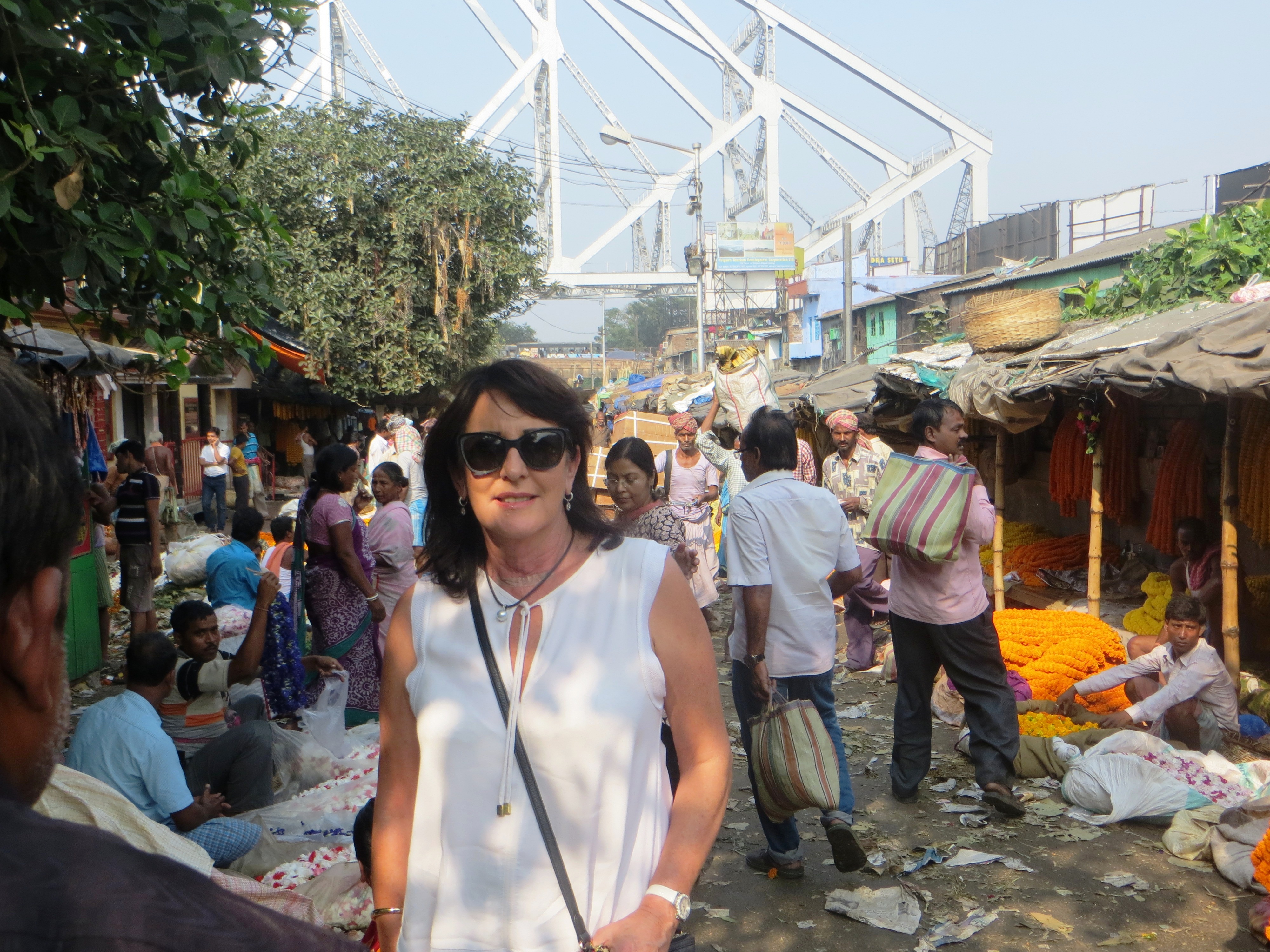
A visit to the flower market is a unique experience which brings you face to face with the teeming market economy. Crammed into squalid alleyways festooned with brilliant flowers, sellers and buyers navigate their way around mounds of rubbish that contrast with the bright colours of the thousands of flowers that dazzle in the bright sun.
The ancient tramway system is a vestige of the British colonial era and the battered trams rumble and groan through the streets in a constant jostle with trucks, buses, bikes, taxis, rickshaws and pedestrians. This is the pulse of Kolkata that never seems to slow.
The ancient Kali temple, Kalighat is Kolkata’s holiest spot for Hindus and possibly the source of the city’s name. Rebuilt in 1809 with floral and peacock motif tiles that look more Victorian than Indian.
The incredible Victoria Memorial is a vast, beautifully proportioned building of white marble. It was designed to commemorate Queen Victoria’s 1901 diamond jubilee. You can admire it from afar or visit the interior with its soaring central chamber and the Calcutta Gallery
Countless effigies of deities are immersed in the holy Hooghly during Kolkata’s colourful pujas. Most have been created in specialist workshops in the small busy laneways of the Kumartuli district, in the cities north.
My husband who was reluctant to visit India was pleasantly surprised by the Kolkata and found that he enjoyed the history, culture and food!

