
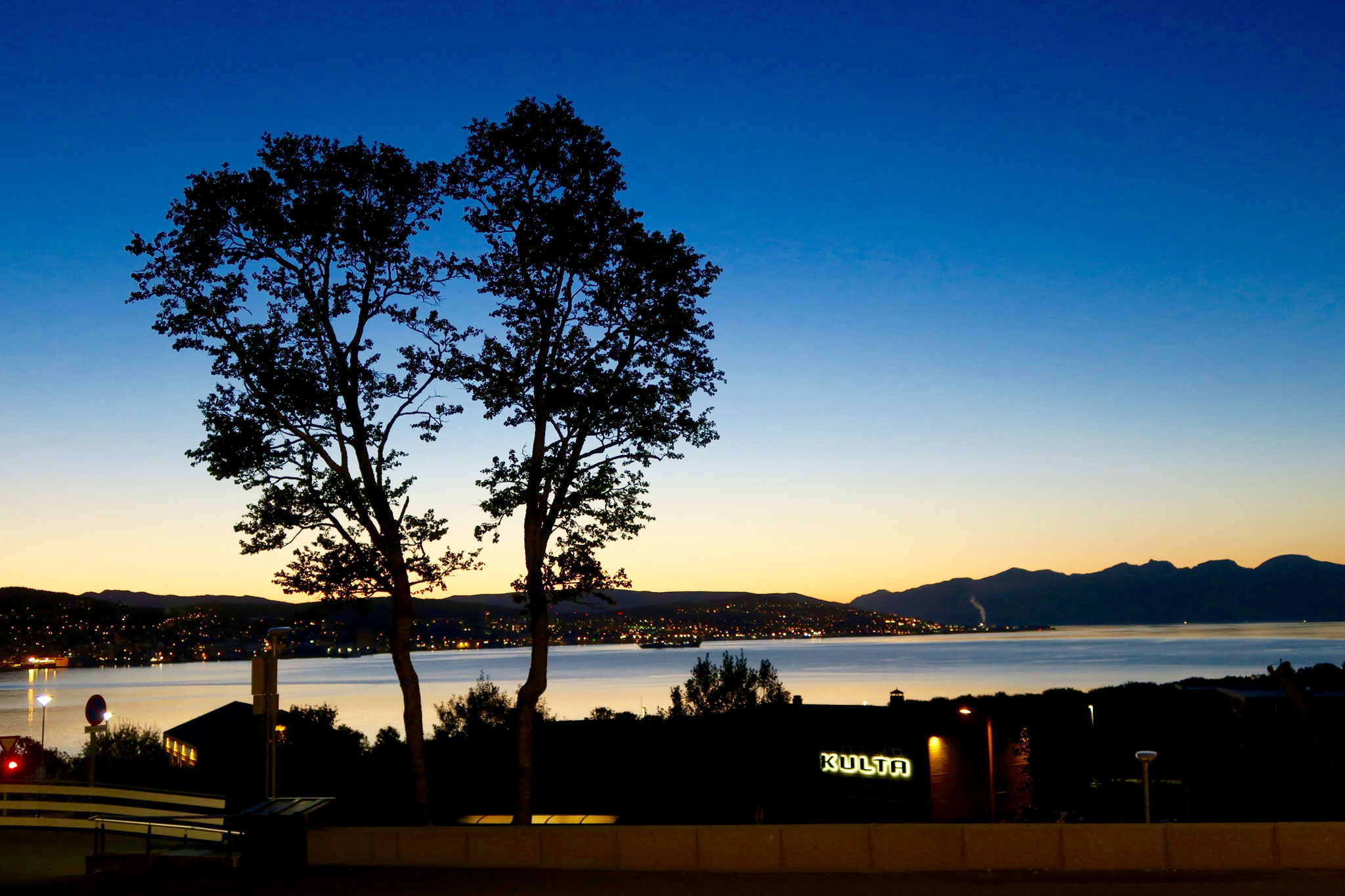
The best way to discover Norway’s fabulous fjord coast is on a Hurtigruten coastal voyage. The original steamer service was a communication and travel link between villages on Norway’s western coast.
Today the voyage provides an up close experience of the fascinating fjords, rugged mountains and picture perfect villages that were once isolated and difficult to reach. Hutugruten itineraries are often described as ‘the world’s most beautiful voyages’. Some of the most stunning scenery and unique cultures of Norway extend high above the Arctic Circle.
During my recent whirlwind trip of Europe I was fortunate enough to spend five days on board the newly refurbished MS Polarys, sailing from Kirkenes to Bergen. As it was summer I also experienced the midnight sun – wow, it’s a strange feeling going to bed before the sun goes down.
My adventure started at the very top of Norway and only 15 kilometres from the border with Russia. This tiny nondescript place has a distinct frontier feel. The street signs are in Norwegian and Cyrillic script, and you will also hear Russian spoken. There are lots of exciting excursions on offer to explore the wildness.
The next morning we docked at Honningsvag and I did an excursion to North Cape (Nordkapp), a stunning, hauntingly beautiful place. The plateau stretches 307 metres above the Arctic Ocean with the most amazing views. You really do feel as if you are at the very end of the world. After breakfast we visited a native Sami family before returning to the ship in Hammerfest.
Next stop was the beautiful town of Tromso the largest town in northern Norway. Although located 400 kilometres north of the Arctic Circle the climate is pleasantly moderated by the Gulf Stream. Here I enjoyed a midnight concert in the Arctic Cathedral providing another ‘goose bump’ moment on this fabulous voyage.
The following evening I explored the beautiful Lofoten Islands. The islands are known for excellent fishing plus extreme and wild natural challenges for the adventurous. The main islands are connected by road bridges and tunnels. On each are sheltered bays, sheep pastures and picturesque fishing villages.
The following day I travelled to the wonderful Vega Archipelago. This scenic archipelago is made up of 6000 skerries, islets and large rocksand. For 1500 years generations of fisherman and farmers have made a living in this inhospitable seascape. The islands are known for the unique practice of looking after the wild eider ducks and harvesting eider-down.
Tronheim is an ancient city, founded by the Vikings in 997 and is Norway’s third largest city. It is full of contrasts with monastery ruins, impressive wooden buildings and colourful wharves. The beautiful Nidaros Cathedral is Scandinavia’s largest medieval building. The ornately embellished west wall has top to bottom statues of biblical characters, bishops and kings all sculpted in the early 20th century.
My last excursion off the ship was at Kristiansund to explore the Atlantic Road, said to be one of the most amazing road trips in the world. The road zigzags across bridges and rock fills from island to island right out at the oceans edge. In eight kilometres we crossed eight bridges winding through the stunning coastal landscape.
The voyage was fabulous and I loved every minute of it. I was blessed with five days of beautiful mild sunny weather, almost 24 hours of sunlight and some of the most stunning scenery I have seen. The ship stopped at 33 different places along the way, some stops are 15 minutes while others are many hours.
All too soon we had arrived in beautiful Bergen to head off on my next adventure.

